Chairing Your Own Board: The Annual Strategy Review Every Owner-Manager Should Hold

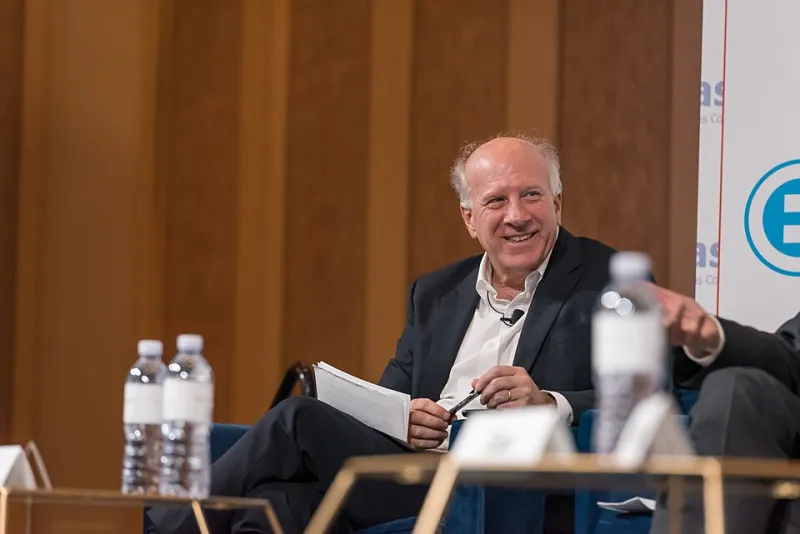
Photo: Benjamin Child bchild311, CC0, via Wikimedia Commons
If you employed a managing director, you would expect them to face a board at least once a year. Someone would ask hard questions about margin, cash, customer concentration and whether the strategy is still fit for purpose. Yet the majority of UK owner-managers answer to nobody — and the business quietly pays for it.
The remedy does not require recruiting non-executives or restructuring the company. It requires a single, well-run meeting: a structured annual review in which you act as both the director being examined and the board doing the examining. Done properly, it takes half a day a year and routinely surfaces issues worth far more than the time invested.
Why the Instinct Isn't Enough
Most owners already feel they should 'step back and think'. The instinct is sound; the execution usually fails. Unstructured reflection happens on the drive home, gets interrupted by an urgent email, and produces a vague resolution that evaporates by February.
The difference between reflection and governance is formality. A governance habit has a fixed date in the diary, a written agenda circulated in advance, pre-read papers, and minutes that record decisions and actions. It sounds bureaucratic for a five-person company. It is precisely what makes the exercise valuable — the friction of preparation forces clarity that spontaneous thinking never achieves.
Booking It Like It Matters
Choose a date at least six weeks out and treat it as you would a meeting with your most important client. Off-site if budget allows; at minimum, away from your usual desk. Tell your team it is happening. The act of publicly committing changes behaviour in the weeks beforehand — you will find yourself noticing things you want to raise, which is exactly the point.
The Agenda
A workable structure for a half-day session runs roughly as follows:
1. Where the business actually stands (60–90 minutes). Not the story you tell yourself, but the numbers. Revenue and gross margin by product or service line. Overhead trends. Cash position and debtor days. Customer concentration — what percentage of profit depends on your largest three clients? Employee retention and any single points of failure among staff.
2. Strategy check (45–60 minutes). Is the plan you set out last year still the right one? What changed — in your market, your costs, your customers' behaviour? Which of last year's initiatives actually happened, and which quietly died? This last question is often the most uncomfortable and the most useful.
3. Risks and dependencies (30 minutes). Key person risk, supplier concentration, debt covenants, tax positions, compliance obligations. If any of these would sink the business, they belong on a written list with an owner and a next action.
4. The next twelve months (45 minutes). Three to five concrete objectives, each with a measure and a review date. Not twenty aspirations — three things that will genuinely change the business.
Interrogate the Numbers You Avoid
Every owner has a number they prefer not to look at. It might be the true hourly cost of their own time, the margin on the largest client after factoring in the extra hand-holding, or the ageing debtors list. The annual review is the occasion to look deliberately. A useful discipline: before the meeting, write down the one question you hope nobody asks. Then ask it first.
Writing It Down
Close the session by recording, in one page: the decisions made, the objectives set, and what will be reviewed and when. Diarise a mid-year check of ninety minutes to test progress. The annual meeting sets direction; the half-year review stops it drifting.
A Habit Worth the Price of Admission
Businesses rarely fail because their owners lacked intelligence or effort. They fail because nobody forced a structured reckoning until it was too late. One half-day a year, run with the seriousness you would expect of a proper board, is the cheapest governance you will ever buy — and often the most profitable.
If you would like help designing the agenda, preparing the financial pack or pressure-testing the conclusions, HCLP Advisory works with owner-managers across the UK on exactly this kind of structured review.