The Rebuilding Cost You Haven't Checked Since 2019: How Underinsurance Quietly Drains UK SMEs
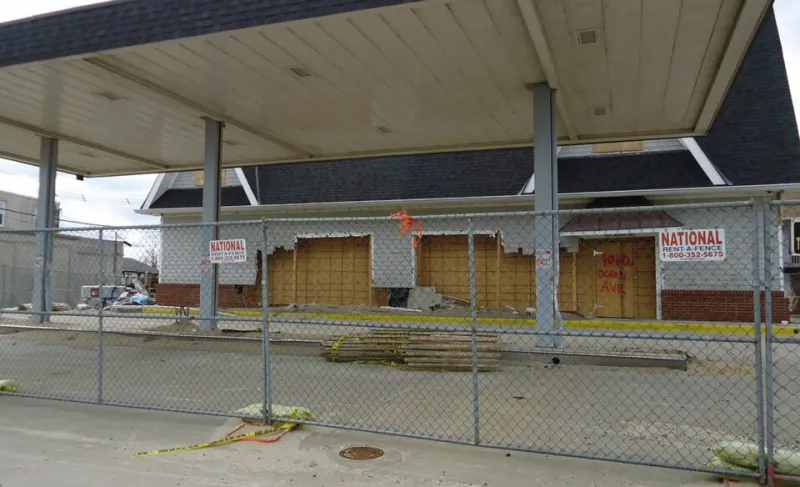
Photo: Tomwsulcer, CC0, via Wikimedia Commons
Most business owners can quote their annual premium to the penny. Far fewer can state, with any confidence, the sum insured on their buildings, stock or machinery — and fewer still have checked whether those figures bear any relation to current replacement costs. The gap between what a policy promises and what a business actually needs is one of the quietest financial risks in the UK SME sector, and it tends to reveal itself at the worst possible moment: in the weeks after a fire, a flood or a serious interruption to trade.
Why Cover Drifts Out of Date
Underinsurance is rarely the result of a single bad decision. It accumulates. A buildings sum insured set at the 2019 valuation has since absorbed several years of sharp construction cost inflation. Stock figures drafted when the business held half its current inventory have never been revisited. Turnover assumptions underpinning business interruption cover predate a period of rapid growth.
The result is a policy that looks comprehensive on paper but is calibrated to a business that no longer exists. Insurers do not adjust for this automatically; the responsibility for declaring accurate values sits with the policyholder.
The Averages Clause: The Mechanism That Cuts Payouts
The single most misunderstood feature of commercial property insurance is the 'condition of averages' or 'proportional' clause. In plain terms: if the sum insured is materially below the true value at risk, the insurer reduces the payout in the same proportion.
Consider a workshop insured for £400,000 when the full reinstatement cost is £800,000 — a 50% underinsurance. A fire causing £100,000 of damage may attract a payout of only £50,000, less any policy excess. The shortfall is not a technicality; it can be the difference between reopening and closing.
Averages clauses commonly apply to buildings, stock, contents and business interruption cover alike. Partial claims are not protected from the calculation.
Where Businesses Most Often Fall Short
- Reinstatement versus market value. Buildings should be insured at the cost of rebuilding, including demolition, site clearance and professional fees — not the price the property would fetch on the open market.
- Indexation assumptions. Automatic index-linked increases help, but they are usually anchored to a base figure that may itself be wrong.
- Business interruption. Gross profit definitions and indemnity periods are frequently mismatched to how long a business would realistically take to recover — often 12 months or more, not the 6 months routinely selected.
- Declared values. Stock levels fluctuate seasonally; the figure declared should reflect the maximum exposure, not a typical week.
A Practical Pre-Renewal Audit
The months running up to renewal are the window in which to act. A structured review should cover:
- Commission a reinstatement cost assessment. A professional valuation, typically refreshed every three to five years, is the most reliable defence against an averages deduction.
- Reconcile stock and plant schedules against actual holdings at peak, including goods in transit and customer or landlord property you may be contractually responsible for.
- Stress-test the business interruption figure against current turnover and a realistic recovery timeline, accounting for supplier dependencies and planning constraints on rebuilding.
- Check for gaps between policies — cyber, terrorism, consequential loss and professional indemnity sit outside standard property cover and are often assumed, wrongly, to be included.
- Document everything. A written record of how sums insured were derived is valuable evidence if a claim is ever queried.
When to Involve a Broker — and an Accountant
A competent broker does more than place cover. They will challenge declared values, flag contractual liabilities buried in supplier agreements and negotiate indemnity periods that reflect operational reality. Businesses with complex premises, seasonal stock patterns or rapid growth should treat the broker as an annual checkpoint rather than a renewal-day transaction.
Equally, the financial dimension matters. Underinsurance is fundamentally a balance-sheet issue: the difference between insured values and true exposure is an unfunded liability. We advise clients to fold insurance values into their wider financial planning cycle, alongside year-end tax and cash flow reviews, so the figures are revisited as a matter of routine rather than crisis.
Before the Loss, Not After
There is no retrospective fix. Once a loss adjuster applies the averages formula, the arithmetic is settled. The only lever a business owner holds is preparation — accurate values, reviewed cover and documented reasoning — in place before the worst happens.
Renewal season arrives predictably every year. Treat it as the deadline for an insurance audit, not the date to sign whatever arrived in the post. If you would like an independent review of your cover against your current business reality, HCLP Advisory can help you approach your broker and insurer with figures that will stand up when it counts.